Rock Crushers For Sale: Equipment Guides, Pricing & More
Rock crushers are essential machines for processing natural rock materials such as limestone, quartz, and granite into smaller, usable aggregates for construction and industrial applications.
This guide covers the types, benefits, applications, and top considerations when choosing rock crushers, along with common questions we hear from our customers. We also offer some of the best rock crushers for sale on the market today.
Shop High Quality Rock Crushing Equipment
Rebel Crusher - America´s Concrete Crushers
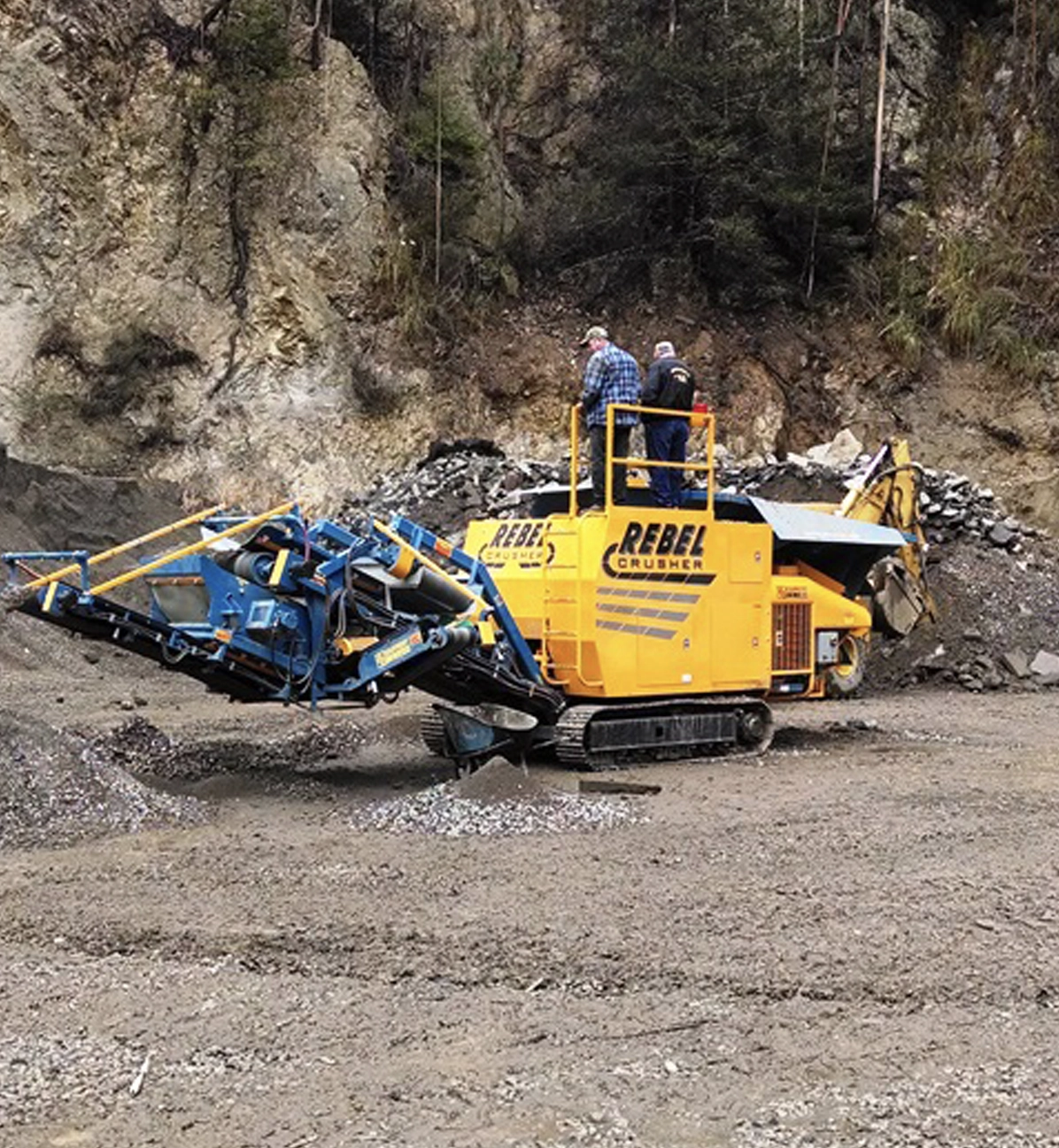
The Rebel Crusher is a versatile machine designed to handle rock materials like limestone, granite, quartz and more. Its compact size and mobility make it suitable for on-site rock crushing. The Rebel Crusher is perfect for construction, demolition and recycling projects requiring flexibility and precision.
Rebel Crusher America’s Concrete Crusher
- Brand: R.R. EQUIPMENT COMPANY
- Make: Rebel Crusher
- Crusher Type: Jaw or Impactor
- Capacity: Up to 140 TPH
- Feed Opening: Approx 24 x 36 Inches
- Length: 384 Inches
- Width: 101 Inches
- Height: 102 Inches
- Approximate Weight: 38000 Lbs.
- Rated Power: 240 HP
Rock Jaw Crushers For Sale
Jaw crushers are perfect for primary crushing and breaking large rocks into smaller pieces for further processing. Jaw crushers are ideal for working on foundational construction and large-scale recycling projects.
Rebel Crusher America’s Concrete Crusher
- Brand: R.R. EQUIPMENT COMPANY
- Make: Rebel Crusher
- Crusher Type: Jaw or Impactor
- Capacity: Up to 140 TPH
- Feed Opening: Approx 24 x 36 Inches
- Length: 384 Inches
- Width: 101 Inches
- Height: 102 Inches
- Approximate Weight: 38000 Lbs.
- Rated Power: 240 HP
Komplet K-JC 604 Mobile Jaw Crusher
- Brand: Komplet America
- Make: K-JC
- Model: 604
- Transport Size: 20′ ✕ 7′ ✕ 7’5″
- Working Size: 20′ ✕ 7′ ✕ 7’5″
- Output Size: 3/4″ to 3-1/4″
- Production: Up to 55 TPH
- Jaw Size: 23″ x 16″
- Engine Type: Doosan Tier 4 Final
- Engine Horsepower: 55 HP Diesel Engine
- Weight: 19,400 Lbs.
Komplet K-JC 503 Mobile Mini Jaw Crusher
- Brand: Komplet America
- Make: K-JC
- Model: 503
- Transport Size: 9’8″ ✕ 5′ ✕ 7’2″
- Working Size: 15′ ✕ 5′ ✕ 6’6″
- Output Size: 3/4″ to 3-1/4″
- Production: Up to 34 TPH
- Jaw Size: 19″ x 12″
- Engine Type: Kubota Stage V
- Engine Horsepower: 25 HP Diesel Engine
Rock Impact Crushers For Sale
Impact crushers are efficient secondary crushers for softer materials like limestone. Impact crushers are best for construction and demolition projects that require precision and speed in processing rock and other materials.
Rebel Crusher America’s Concrete Crusher
- Brand: R.R. EQUIPMENT COMPANY
- Make: Rebel Crusher
- Crusher Type: Jaw or Impactor
- Capacity: Up to 140 TPH
- Feed Opening: Approx 24 x 36 Inches
- Length: 384 Inches
- Width: 101 Inches
- Height: 102 Inches
- Approximate Weight: 38000 Lbs.
- Rated Power: 240 HP
Komplet K-IC 70 Mobile Impact Crusher
- Brand: Komplet America
- Make: K-IC
- Model: 70
- Transport Size: 17’4″ ✕ 7’2″ ✕ 8’5″
- Working Size: 28′ ✕ 7’2″ ✕ 8’5″
- Output Size: 3/4″ to 3-1/4″
- Production: Up to 90 TPH
- Engine Type: Doosan Tier 4 Final
- Engine Horsepower: 100 HP Diesel Engine
- Inlet Opening: 25″ x 20″ Inches
- Weight: 28,600 Lbs.
Komplet MT 5000 Mobile Hammer Mill Impact Crusher
- Brand: Komplet America
- Transport Size: 14’7″ ✕ 4’9″ ✕ 6’11”
- Working Size: 14’7″ ✕ 4’9″ ✕ 6’11”
- Output Size: 0″ to 1″
- Production: Up to 25 TPH
- Engine Type: Kubota Stage V
- Engine Horsepower: 25 HP Diesel Engine
- Inlet Opening: 16″ ✕ 12″ Inches
- Weight: 7,495 Lbs.
How to Choose the Best Rock Crusher for Your Needs
Selecting the right rock crusher for your operation is a crucial decision that impacts efficiency, productivity, and cost-effectiveness. While no single machine fits every application, understanding your specific needs will help you choose the right crusher for your material and workflow.
Crusher Size and Capacity
The size and capacity of your crusher play a key role in its effectiveness. Small crushers work well for limited applications or lower production volumes, but they may not be sufficient for larger-scale projects. If you’re dealing with medium to large rock-crushing tasks, a crusher with a larger feed opening and higher throughput will improve efficiency while reducing bottlenecks in material flow. The right balance of power and size ensures maximum production without overburdening the equipment.
Cost Considerations and Return on Investment
Budget is always a factor in heavy equipment purchases, and rock crushers are no exception. Mid-sized crushers offer a strong balance of affordability and performance, providing reliable output while keeping costs under control. While larger crushers have higher upfront costs, they may offer greater long-term savings by processing more material in less time. Consider how quickly the machine can pay for itself through increased efficiency and reduced downtime.
Mobility and Transportability
If your rock-crushing operations require frequent site changes, portability is a major consideration. Some crushers are fully mobile, designed for easy transport between sites, while others are semi-mobile or stationary, built for long-term placement. If you need flexibility, look for a crusher with built-in tracks or a compact footprint that simplifies transport. Ensure you also factor in the need for trailers or trucks to move larger machines.
True Mobility vs. "Portable" Claims
A rock crusher’s versatility determines how well it adapts to different materials. Some crushers handle a wide range of rock types, from limestone to granite to basalt, while others specialize in certain hardness levels. If you need to process multiple types of aggregate, a mid-sized cone crusher or impact crusher may provide the flexibility you need, handling variations in material hardness while delivering consistent output.
Feed Opening and Discharge Settings
Durability and ease of maintenance are key factors in selecting a rock crusher. Heavy-duty crushers are designed for high-wear applications, with reinforced components and easy access to replaceable parts. Consider crushers with robust construction, wear-resistant liners, and simple maintenance features that minimize downtime. A well-maintained machine will save you money in the long run by reducing unexpected breakdowns and repair costs.
In summary, while no single rock crusher is perfect for every job, a mid-sized crusher often provides the best balance of affordability, efficiency, and adaptability. The next section explores additional factors to help you make an informed decision when selecting the right rock crusher for your needs.
Other Important Considerations When Buying a Rock Crusher
Choosing the right rock crusher directly impacts your project’s success. Here are some critical factors to evaluate before making a purchase:
Material Characteristics
Understanding the rock type you’ll be processing is essential. What is the hardness, density, and moisture content of the material? Will you need to crush oversized rock, or does it require pre-processing with a hydraulic hammer? Ideally, your crusher should handle at least 75% of your feed material without extensive preparation, ensuring efficient operation.
New vs. Used Rock Crushers
Should you invest in a new or used crusher? New rock crushers come with warranties and the latest technology, but they require a higher upfront investment. Used crushers can be cost-effective but may come with increased maintenance requirements. Carefully assess the condition of any used equipment, checking wear components, service records, and potential repair costs.
Production Speed and Throughput
How fast do you need to process material? If you’re working on a tight deadline or high-volume projects, a larger crusher with higher throughput may be necessary. However, if your workflow allows for a moderate pace, a mid-sized crusher may be sufficient, balancing efficiency with cost savings.
Feed Opening and Discharge Settings
The size of the crusher’s feed opening determines the maximum rock size it can handle, while discharge settings control the final product size. A wider feed opening allows for larger input material, reducing the need for pre-processing. At the same time, adjustable discharge settings give you better control over the output size, ensuring consistency in crushed rock specifications.
Required Auxiliary Equipment
In many rock-crushing applications, additional equipment is needed to maximize efficiency. Consider whether your operation requires hydraulic hammers, screening systems, or conveyors to manage oversized rock and optimize production. Factoring in these additional costs upfront can prevent bottlenecks later.
Labor and Operational Efficiency
How many workers will be required to operate your rock crusher? Choosing a machine that streamlines the crushing process can reduce labor costs and improve efficiency. Automated controls, easy-to-adjust settings, and user-friendly interfaces can all contribute to a more productive operation with fewer manpower requirements.
Long-Term Investment Considerations
When purchasing a rock crusher, consider long-term costs beyond just the initial price tag. Factors like fuel efficiency, maintenance, replacement parts, and resale value all play a role in determining the total cost of ownership. Machines with lower fuel consumption and easily accessible wear parts can significantly reduce operational expenses over time.
Crushing Stages and Multiple Crushers
Larger rock-quarry operations often use multiple crushers in sequence to maximize efficiency. Each crusher plays a specific role, whether it’s a jaw crusher for primary reduction, a cone crusher for secondary crushing, or an impact crusher for final shaping. Properly staging crushers and integrating screens between them ensures that material is processed efficiently with minimal waste.
The rule of thumb in rock crushing is a 5:1 reduction ratio at each stage. This means that each crusher in the production line reduces the rock size by approximately five times before it moves to the next stage. Intermittent screening helps remove correctly sized material, optimizing workflow and reducing unnecessary wear on crushers further down the line.
Work with a Leading Concrete Crusher Manufacturer like R.R. Equipment
- Made in the USA:
Choosing a rock crusher made in the USA offers several advantages, including superior quality control, faster access to parts, and reliable customer support. Domestic manufacturers adhere to strict safety and performance standards, ensuring better durability. In contrast, foreign-made crushers may come with longer wait times for parts and less responsive service, which can lead to costly delays.
- Ongoing Support and Maintenance:
Rock crushers endure heavy wear, making ongoing maintenance vital. A reputable manufacturer provides expert support, quick access to parts, and troubleshooting assistance to minimize downtime. Fast, reliable service is critical as delays in repairs can set back entire projects. Working with a company known for strong customer service ensures your crusher stays operational when you need it most.
- Quality and Value :
The right crusher should be durable, efficient, and require minimal repairs. While upfront costs matter, long-term reliability is what truly determines value. A well-built machine reduces maintenance costs and improves productivity, delivering a better return on investment. Choosing a manufacturer with a reputation for quality ensures your equipment remains a strong asset for years.
We Pride Ourselves on Helping YOU Succeed
- Reputation and Resale Value:
A rock crusher from a trusted brand holds its value better over time, making resale or upgrades easier. Well-known manufacturers have a proven track record of performance and reliability, increasing buyer confidence in used equipment. Investing in a respected brand means your crusher remains a valuable long-term asset.
- Cost of Ownership Over Time:
A low purchase price doesn’t always mean a good deal. The total cost of ownership includes maintenance, fuel, replacement parts, and downtime. High-quality crushers reduce these costs by lasting longer and requiring fewer repairs. Investing in a reliable machine from a top manufacturer ensures lower long-term expenses and higher productivity.
- Dealer Relationships:
A manufacturer’s dealer network impacts the level of service and availability of parts you’ll receive. Some brands rely on third-party dealers who may have limited stock or slow response times. Ensuring your dealer has strong product knowledge and fast access to parts is essential. In many cases, buying directly from the manufacturer streamlines support and reduces downtime.
- Comprehensive Equipment Package:
Top manufacturers provide more than just a crusher—they offer complete crushing solutions, including screens, conveyors, and prep tools. Investing in a full system ensures compatibility, maximizes efficiency, and simplifies operations. Choosing a manufacturer with a complete product line helps streamline your workflow and improve productivity.
- Time-Sensitive Considerations :
Crusher downtime is costly, so fast service and part availability are crucial. Manufacturers with a dedicated service team and quick turnaround times help keep your projects on schedule. Before choosing a crusher, consider how quickly replacement parts and repairs can be provided to avoid unnecessary delays.
Why Rock Crushers Transform Quarry Operations
Quarry operators and contractors who invest in rock crushing equipment typically see ROI in as little as 12 months through multiple revenue streams and operational improvements. Unlike the steady depreciation of many heavy equipment purchases, a quality crusher often becomes a profit center. Here’s how experienced operators leverage these machines:
1. Cost Savings on Transport and Disposal
One of the biggest cost-saving benefits of a rock crusher is eliminating expensive hauling and disposal fees. Transporting unprocessed rock to landfills or recycling centers incurs significant costs, from hauling fees to dumping charges. By crushing rock onsite, you reduce material volume and avoid the need for offsite disposal, saving both time and money. Instead of paying for waste removal, crushed material can be reused or sold, adding value to your operation.
2. Reduced Dumping Fees
Landfill and recycling center fees for concrete waste disposal can quickly add up, especially for large projects. Processing rock onsite with a crusher helps you avoid these costs entirely. Rather than paying to discard excess material, you can repurpose it for future use, making crushing a cost-effective and sustainable alternative
3. Reuse of Material
Onsite rock crushing allows you to create high-quality aggregate for use in new construction projects, such as fill material or subbase layers. In many cases, the crushed rock from the jobsite is as good as or better than quarried stone, reducing the need to purchase additional materials. This not only lowers costs but also opens up opportunities to sell excess aggregate, creating an additional revenue stream.
4. Environmental Benefits
Using a rock crusher reduces landfill waste and the environmental impact of hauling and extracting new materials. Onsite crushing significantly cuts emissions from transportation and minimizes the need for new aggregate mining. Companies focused on sustainability can lower their carbon footprint and contribute to greener construction practices by adopting rock crushing as part of their workflow.
5. Improved Efficiency and Productivity
Rock crushers process large rocks quickly, reducing them into smaller, manageable sizes. This speeds up project timelines by eliminating the extra steps of transporting and disposing of material offsite. By crushing onsite, workers can focus on the task at hand while the machine handles material processing, boosting overall productivity and job efficiency.
6. Flexibility and Convenience
Having a rock crusher on the jobsite provides greater control over material availability. Instead of relying on external suppliers for crushed stone or aggregate, you can produce the material as needed. If project demands change, you can adjust the crushing process to match new requirements without delays, ensuring materials are ready when and where they’re needed.
7. Reduced Hauling Costs for New Materials
Crushing onsite not only eliminates waste-hauling costs but also reduces the need for transporting new materials. Instead of bringing in crushed stone or gravel from an external quarry, you can use onsite rock as base, subbase, or fill material. This significantly cuts down transportation costs and ensures a steady supply of aggregate without extra hauling expenses.
8. Versatility in Material Handling
Rock properties directly impact crusher performance, wear parts longevity, and output quality. We recommend these specific use cases:
- Limestone: Easy to crush and widely used for construction aggregates and cement production.
- Quartz: Requires specialized crushers for precision and hardness.
- Granite: Known for its durability, granite requires heavy-duty crushers to handle its density and hardness.
- Marble: Similar to limestone but more fragile. Crushing marble requires crushers with less impact force, as it can fracture easily, leading to powder-like particles.
- Sandstone: Easier to crush compared to granite and quartz, but it still requires a robust crusher due to its varying density. It’s often used in construction and paving materials.
- Dolomite: A bit tougher than limestone but not as hard as granite, so a crusher with medium impact capability is often sufficient.
- Basalt: Dense and tough like granite, requiring high-performance crushers capable of handling its hardness and abrasiveness.
- Coal: Softer than many rocks, but because of its tendency to form clumps or lumps, crushers with specific designs to break coal into consistent sizes are necessary.
- Gypsum: Relatively soft, and a hammer or impact crusher is often sufficient for breaking it down into powder or smaller pieces.
Each material requires specific crusher setups to achieve the desired size, shape, and throughput!
Rock crushers offer significant benefits in terms of cost savings, environmental impact, and efficiency. They allow contractors to reduce transport and disposal costs, reuse material onsite, and contribute to more sustainable construction practices. By incorporating a crusher into your workflow, you’re not only enhancing your operational efficiency but also making a positive impact on both your bottom line and the environment.
Common Questions about Rock Crushing Equipment
What Is a Rock Crusher and How Are They Used?
Rock crushers are used to break down natural rock materials into smaller, usable sizes for construction, industrial, and recycling purposes. Applications include producing aggregates for concrete, asphalt and road bases.
What's the Real Throughput I Can Expect?
Unlike manufacturer ratings based on ideal conditions, real-world production varies significantly. Our customers report:
- Jaw crushers: 50-80% of rated capacity in continuous operation
- Impact crushers: 40-75% of rated capacity with proper feeding
- Cone crushers: 75-90% of rated capacity with pre-screened feed material
Production decreases approximately 8% for every 5% increase in material moisture content above optimal levels. For maximum efficiency, many operators install primary screening systems that remove undersized material before it enters the crusher, increasing effective throughput by 15-25%.
How Do I Start a Rock Crushing Business?
Starting a rock crushing business involves several key steps. Here’s a brief overview of the process:
- Research and Planning
- Create a Business Plan
- Get the Necessary Licenses and Permits
- Purchase Equipment
- Focus on Equipment Size
- Find a Suitable Location
- Build a Team
- Market Your Services
For a more detailed breakdown and additional insights, you can read our post about starting a crushing business.
What Materials Can a Rock Crusher Process?
Rock crushers are incredibly versatile machines designed to process a wide range of materials. Whether you’re dealing with rock, gravel, sand, old concrete structures, road debris, topsoil, asphalt, glass, stone, plastic and more, a rock crusher can handle it all.
What Is the Difference Between a Crusher and a Compactor?
A crusher and a compactor serve different purposes in material processing:
- Crusher: A crusher is designed to break down larger materials such as rock, concrete, or asphalt into smaller, more manageable pieces. It helps create usable aggregates for construction, road work, and other industries. Crushers typically operate by applying force to break apart the material, and the end result is smaller chunks or crushed particles.
- Compactor: On the other hand, a compactor is used to compress materials, such as waste or debris, in order to reduce their volume. This is particularly useful in waste management, landfills, and recycling, where space efficiency is important. Compactors apply pressure to materials, making them denser and more compact, but they don’t break the materials down into smaller pieces.
So, the key difference lies in their function: crushers break material into smaller sizes, while compactors reduce material volume.
Concrete Crushing Resources
January 15, 2026
Every contractor knows the frustration of bidding diverse projects only to realize their equipment can’t handle the variety. Last month...
January 13, 2026
Manual material handling remains one of construction’s most persistent safety challenges. The U.S. Bureau of Labor Statistics reports that musculoskeletal...
August 7, 2025
Concrete reinforced with rebar stands as a backbone of modern construction. Bridges, foundations, and highways wouldn’t be nearly as strong...